
VEX V5 COURSES
A clear pathway with core courses plus specialized Building, CAD, and Programming tracks.

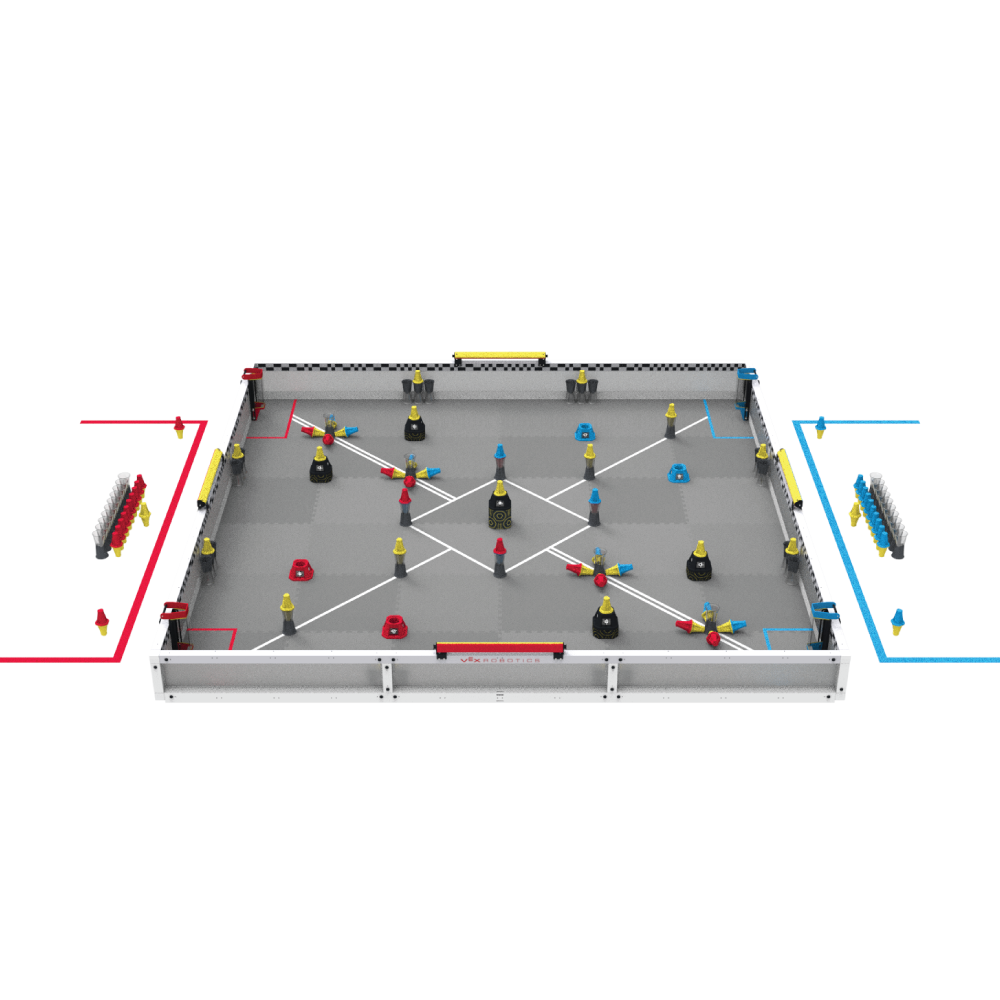
What are VEX V5 Courses?
The Robo Hub’s VEX V5 program helps middle and high school students develop practical skills in mechanical engineering, robot programming, and computer-aided design. Through hands-on projects and progressively more challenging tasks, students learn to design, build, test, and improve robotic systems while preparing for team-based competition.
Your Pathway
1. Fundamental
Start here: build and program a Clawbot while transitioning from VEX IQ to the metal-based VEX V5 platform.
2. Advanced Tracks
Go deeper with Advanced Building, Onshape CAD, and/or Advanced Programming: focused skill tracks for different team roles.
3. Competition Bootcamp
Prepare for the season: game strategy, Hero Robot builds, prototyping, and competition readiness.
4. Competition Team
Join a season-based VEX V5 Competition Team and compete in official VEX V5 events.
Students preparing for competition should complete Fundamental plus at least one advanced track before Competition Bootcamp.
VEX V5 Fundamental: Advanced Programming Language
Format: Semester course
Recommended background: Prior VEX IQ or equivalent introductory robotics experience
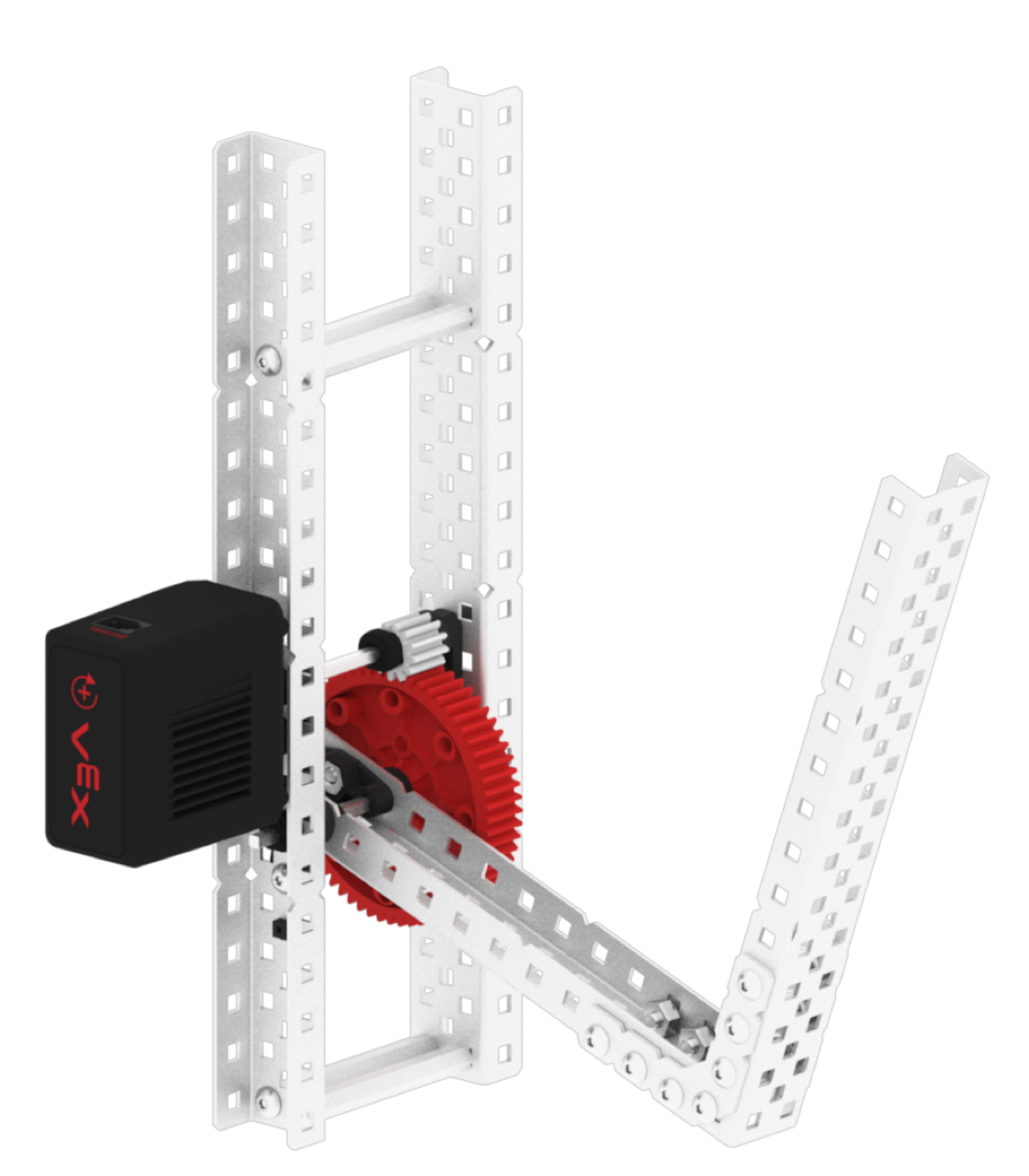
This introductory course helps students transition from VEX IQ to the metal-based VEX V5 platform. Students build and program a Clawbot while learning safe tool use, structural assembly, motor configuration, wiring, and basic troubleshooting.
Programming activities introduce robot movement, mechanism control, and sensor-based decision-making using inertial, distance, optical, and bumper sensors. Students explore sequences, loops, conditionals, and functions through increasingly challenging tasks. Instruction emphasizes introductory C++, an advanced programming language, with block-based programming available as a bridge for students who need it.
VEX V5 Advanced Building and Mechanical Engineering
Format: Semester course
Recommended background: VEX V5 Fundamental or equivalent building experience
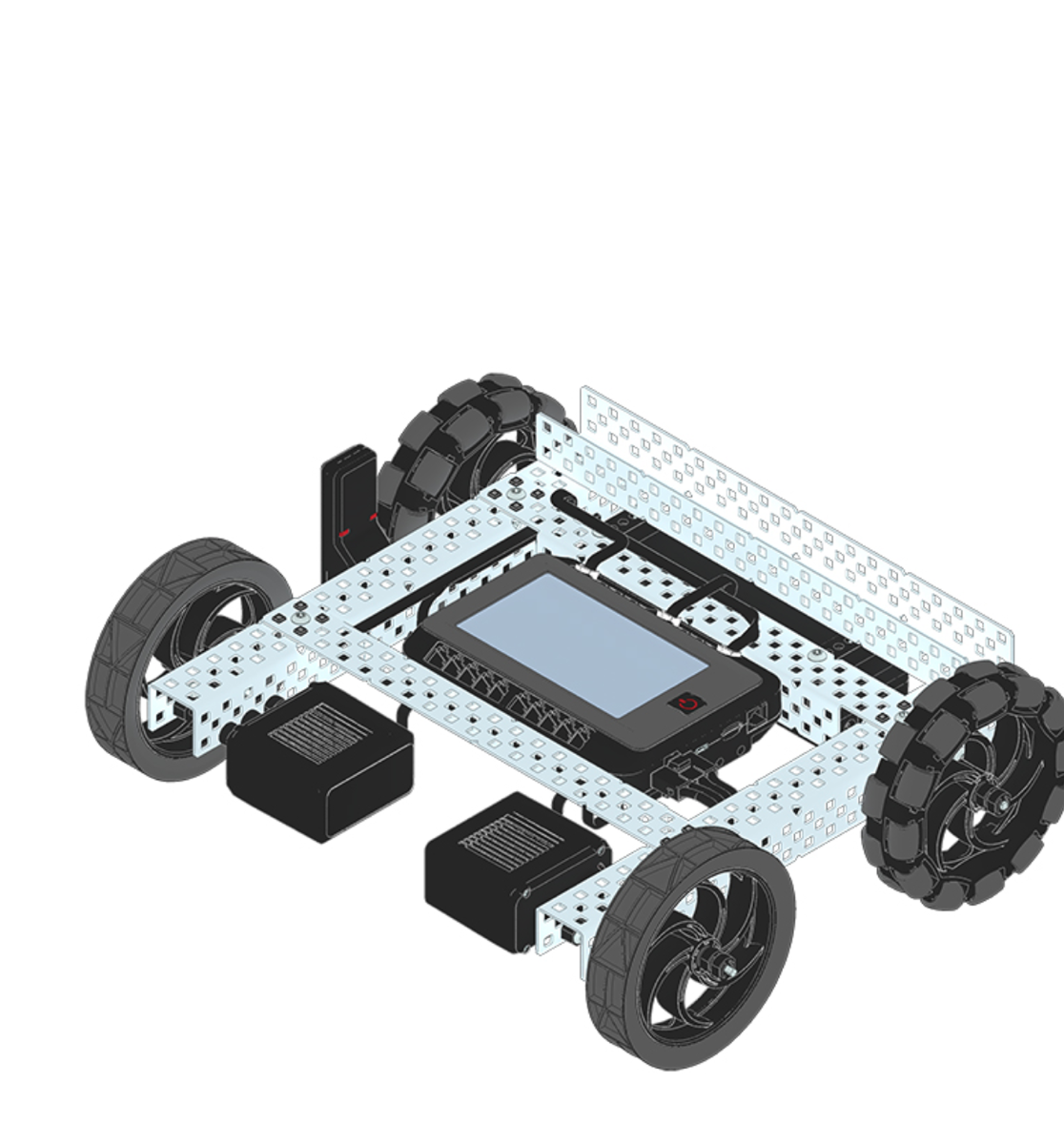
This course develops the mechanical skills needed to build reliable, competition-oriented robots. Students investigate key robot subsystems, including drivetrains, intakes, lifts, and pneumatic mechanisms, and explore how these systems work together.
Through guided builds and design challenges, students examine gear ratios, speed and torque, structural rigidity, friction, alignment, and weight distribution. They compare alternative mechanisms, identify mechanical weaknesses, and refine their designs through testing. Emphasis is placed on build quality, serviceability, and consistent performance.
Onshape CAD for Robotics Design

Format: Semester course
Recommended background: No prior CAD experience required; best paired with VEX V5 Fundamental
This introductory computer-aided design course teaches students to plan and communicate robot designs using Onshape, a professional, cloud-based CAD platform. Students develop foundational skills in sketching, dimensioning, geometric constraints, 3D part modeling, and assembly creation.
Robotics-focused projects progress from individual components to small assemblies, such as drivetrain sections, intake mechanisms, or lift-arm systems. Students learn to consider component placement, clearances, and mechanical fit before beginning a physical build. They also explore how CAD can support custom-part design where permitted by the applicable project or competition rules.
VEX V5 Advanced Programming and Autonomous Control

Prerequisite: Basic C++ programming skills and familiarity with VEX V5 robot operation
Designed for students pursuing a programming role on a robotics team, this course introduces the control techniques needed to create more accurate and repeatable autonomous routines.
Students explore PID control, sensor calibration, and odometry, learning how robots use feedback to control movement and estimate their position on the field. They work with C++ robotics libraries to organize code and develop autonomous behaviors, while practicing systematic debugging and parameter tuning. Projects emphasize the connection between software, sensor measurements, and the robot’s physical performance.
VEX V5 Competition Bootcamp
Format: One-week summer camp
Recommended background: VEX V5 Fundamental or equivalent experience; advanced building, CAD, or programming experience is helpful
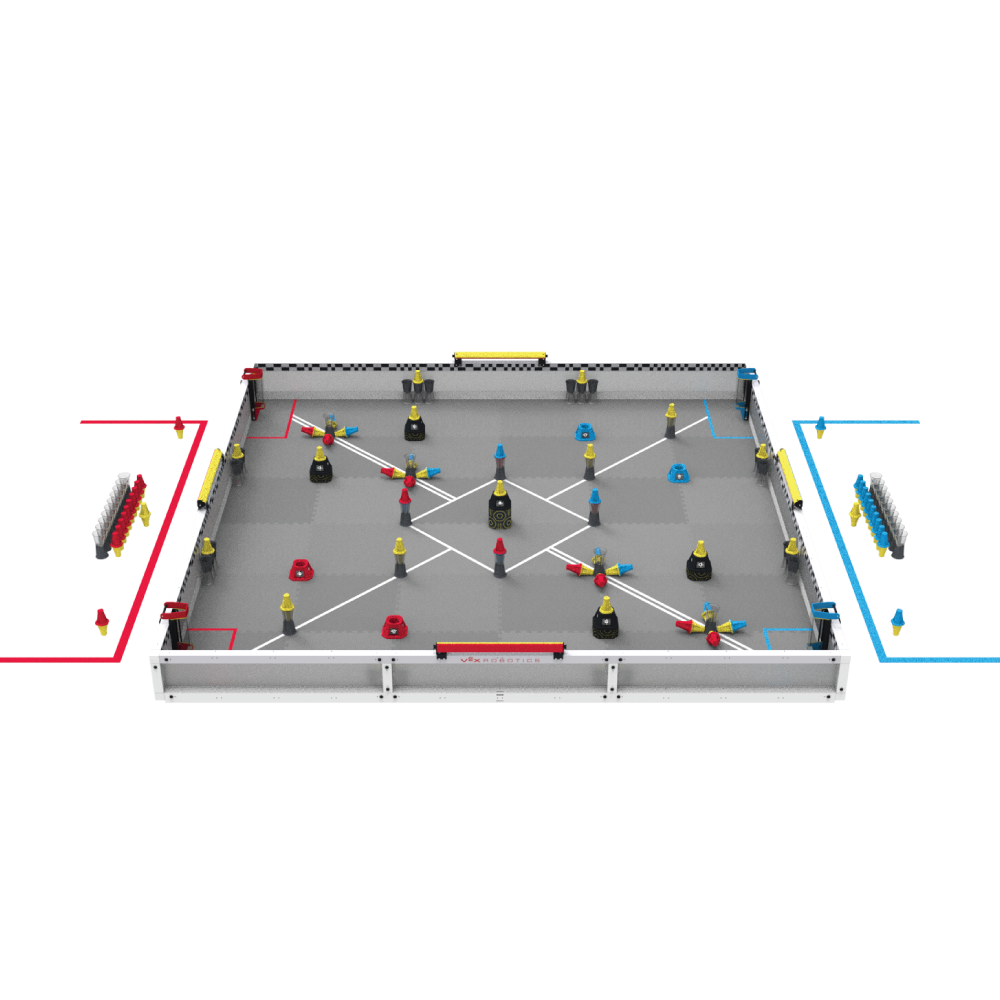
This focused camp helps students connect their technical skills to the demands of the upcoming VEX V5 competition season. Students study the current game’s rules, scoring opportunities, and field layout, then translate that understanding into initial robot requirements and strategic priorities.
Working collaboratively, students build and test a starter or Hero Robot, investigate relevant mechanisms, and compare potential design approaches. The course also introduces engineering notebook documentation, team responsibilities, structured testing, and early-season planning. Students practice evaluating ideas using evidence from research and robot performance.
Recommended Progression
Students begin with VEX V5 Fundamental, then develop their interests through Advanced Building, Onshape CAD, and/or Advanced Programming. These complementary courses support different team roles and do not need to be completed in a fixed sequence, provided prerequisites are met. Competition Competition Bootcamp brings these skills together in a game-focused team environment.
VEX V5 Competition Team
Ready for the real thing? Students who complete the pathway move into a season-based VEX V5 Competition Team: ongoing robot development, autonomous programming, driver and Skills practice, strategy, regular scrimmages, and official VEX V5 events.
Ready to Start
Questions about placement, schedules, or tuition? Contact us and we will help you find the right starting point.